Utilities
Cleaning circuit interface
List the actual circuits and cleaning access before selecting the skid.
Technical duty overview. Exact model and rated performance are selected against your project specification.
Enquire about this module →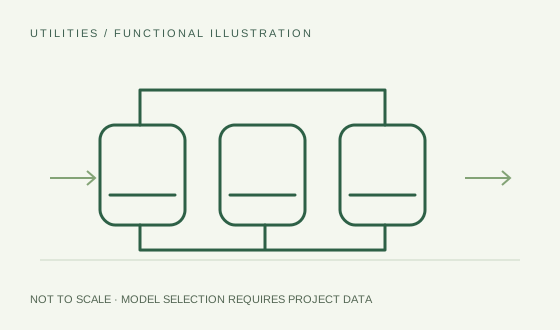
Inlet
What it receives
Named tanks, lines and modules with their own cleaning requirements.
Outlet
What it delivers
A documented cleaning arrangement with defined supply, return and verification points.
Structure and line connections
Separate closed circuits from parts requiring dismantling. Define simultaneous demand, return routing, chemical handling, instrumentation and isolation from production.
Cleaning and inspection interface
The cleaning system itself needs inspection and maintenance access. Programme limits and verification methods must suit actual soils, materials and plant practice.
Selection data to specify
| Decision | Information needed |
|---|---|
| Circuit inventory | Equipment, pipe lengths, hold-up, spray devices and return heights |
| Utility demand | Available water, heat, drainage and approved chemical handling |
| Evidence | Flow/temperature/concentration records and agreed cleanliness verification |
Application limits
A tank count does not describe a complete CIP duty. Do not assume one generic programme cleans every coconut residue or all open preparation equipment.
Trial and acceptance evidence
Verify actual circuit coverage and return conditions, inspect difficult areas and document the plant’s cleaning acceptance method.
From scope to specification
Define the cleaning circuit interface duty
Send the material you receive, the product you want and the packaging boundary. Add measurements where available.