Separate open and closed duties
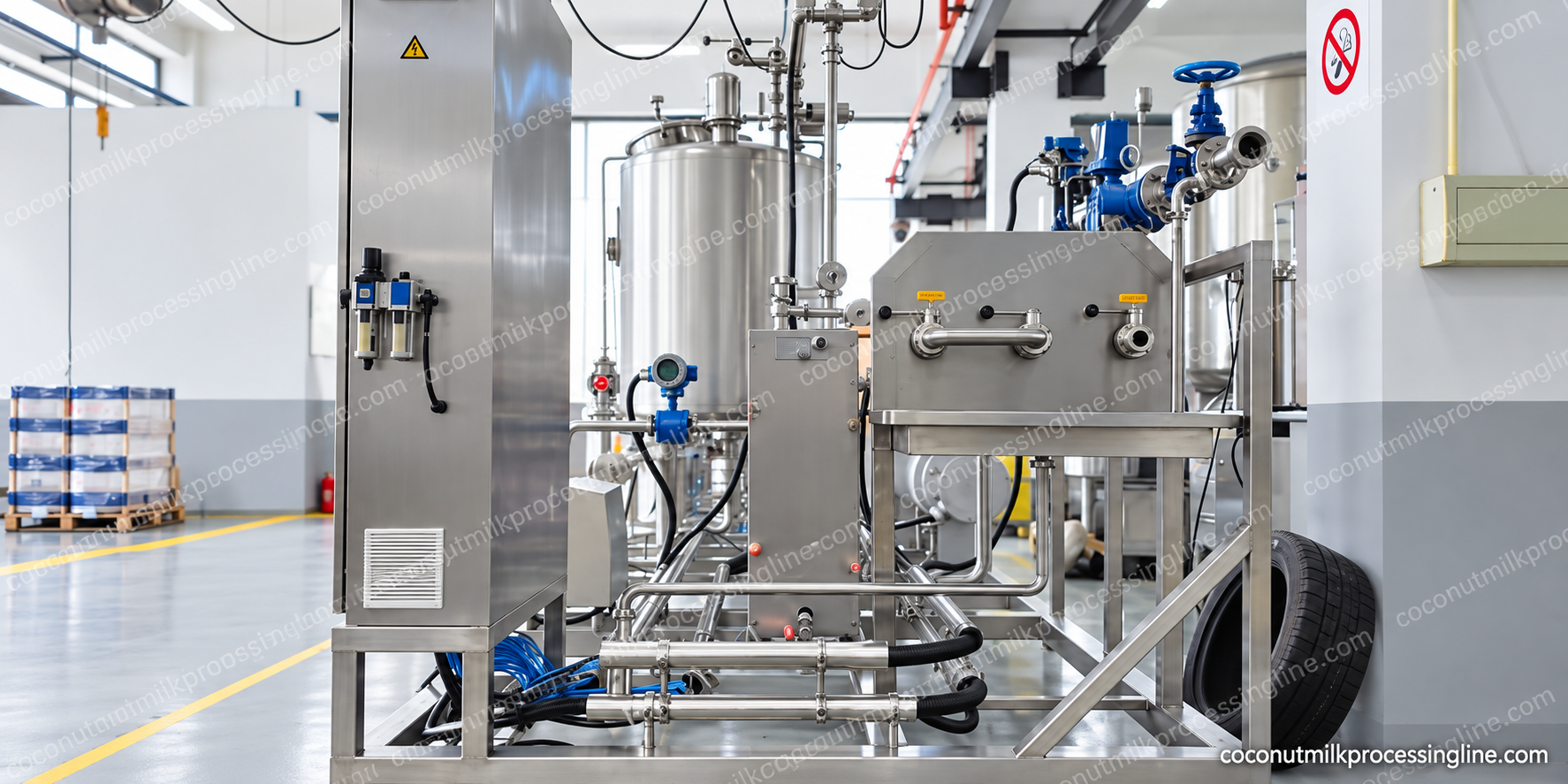
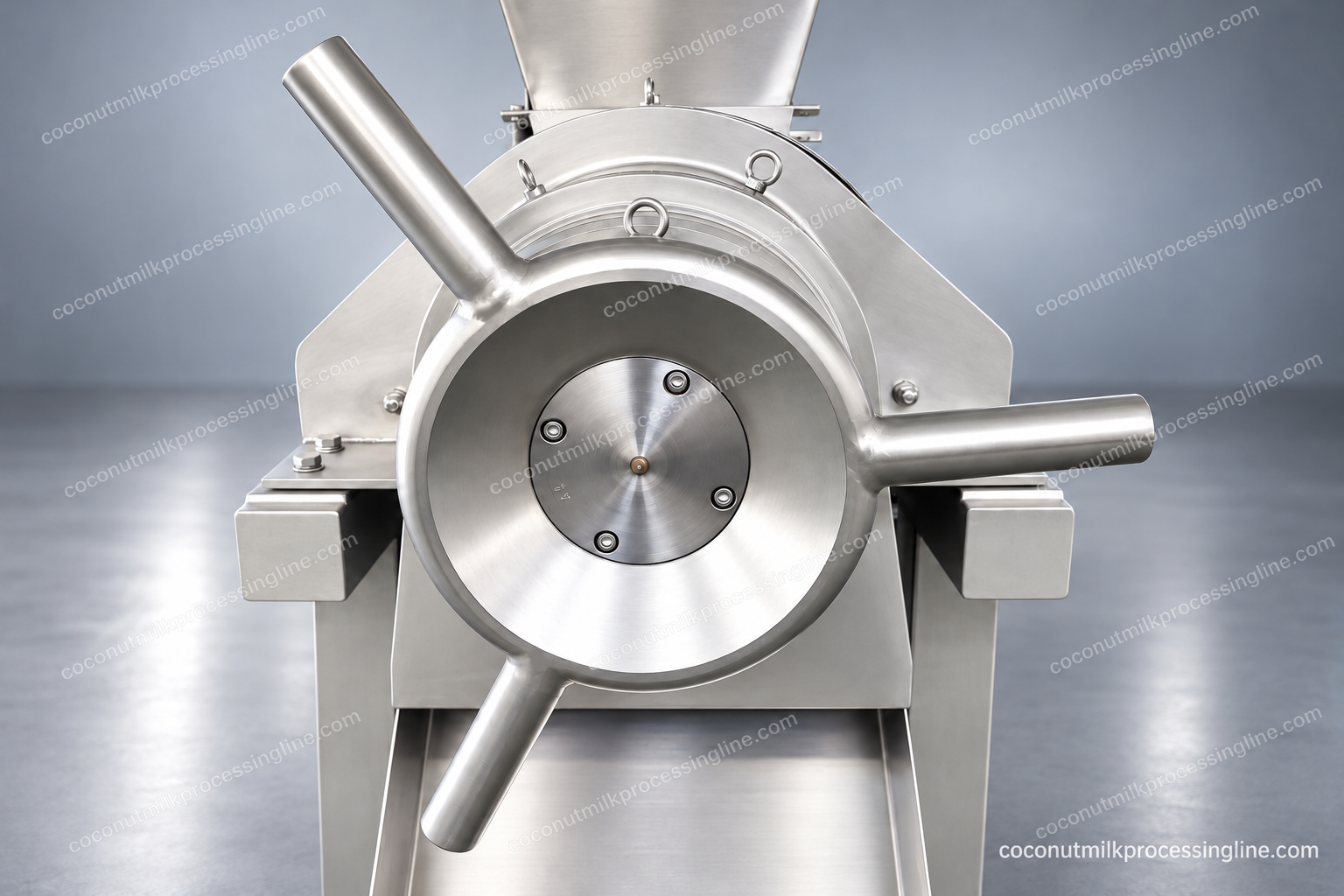
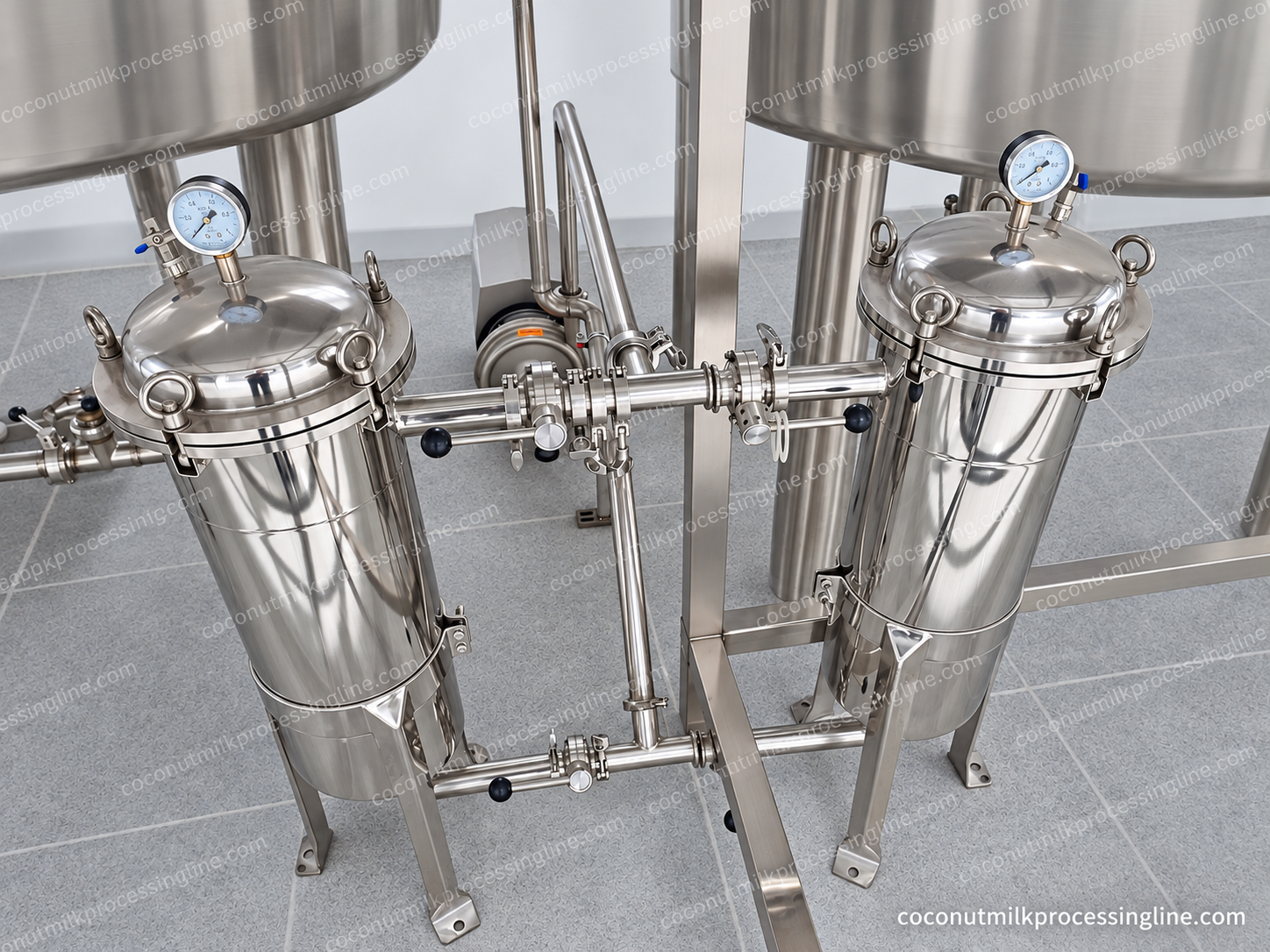
Shell preparation, cutting parts and some press internals may require dismantling or direct inspection. Closed tanks and transfer lines need their own defined cleaning supply and return. Ask for this distinction on the equipment schedule.
Follow the residue path
Inspect meal pockets in pressing, trapped fibre behind screens, tank addition points and seals. Name the method for removing gross residue before the cleaning programme. Identify where a visual check or other verification sample can be taken.
Specify the cleaning handoff
List the proposed circuits, lowest drain points, return heights, spray devices and shared branches. Confirm isolation from production and a safe route for cleaning returns. Utility availability must be evaluated at simultaneous demand.
Acceptance belongs to the plant
Agree cleaning acceptance with the responsible plant team, using the actual recipe and soils. Record the equipment configuration and test conditions. A generic chemical concentration or time programme is not supplied by this website.