Food Process Line Engineering — Performance Troubleshooting

Coconut Milk Line Engineering: Diagnosing Performance

Diagnosing coconut milk line starts from unstable filtered coconut milk emulsion consistency and a check of unstable emulsion behavior of fat-rich grated coconut meat and shell inspection washing and meat grinding feed condition.

  • industrial coconut milk processing line

Request a Quotation

On this technical page

Topics on this page

Go directly to the process questions most relevant to your project.

  1. 01Read the Product Symptom: Pressing With Fiber Separation Section
  2. 02Trace the Likely Process Cause: Pressing With Fiber Separation Choices For Filtered Coconut Milk Emulsion
  3. 03Verify Conditions Before Adjusting the Setup: Coconut Milk Filling Interface Readiness

Read the Product Symptom: Pressing With Fiber Separation Section

Coconut milk line operators seeing unstable filtered coconut milk emulsion consistency should inspect unstable emulsion behavior of fat-rich grated coconut meat and shell inspection washing and meat grinding feed condition first.

Resolve this question before changing the pressing with fiber separation section: Did grind size or meat maturity change before the coconut emulsion became unstable?

  • Use unstable emulsion behavior of fat-rich grated coconut meat and shell inspection washing and meat grinding feed condition as the first coconut milk line diagnostic.
  • Confirm unstable emulsion behavior of fat-rich grated coconut meat and shell inspection washing and meat grinding feed condition before altering coconut milk line conditions.
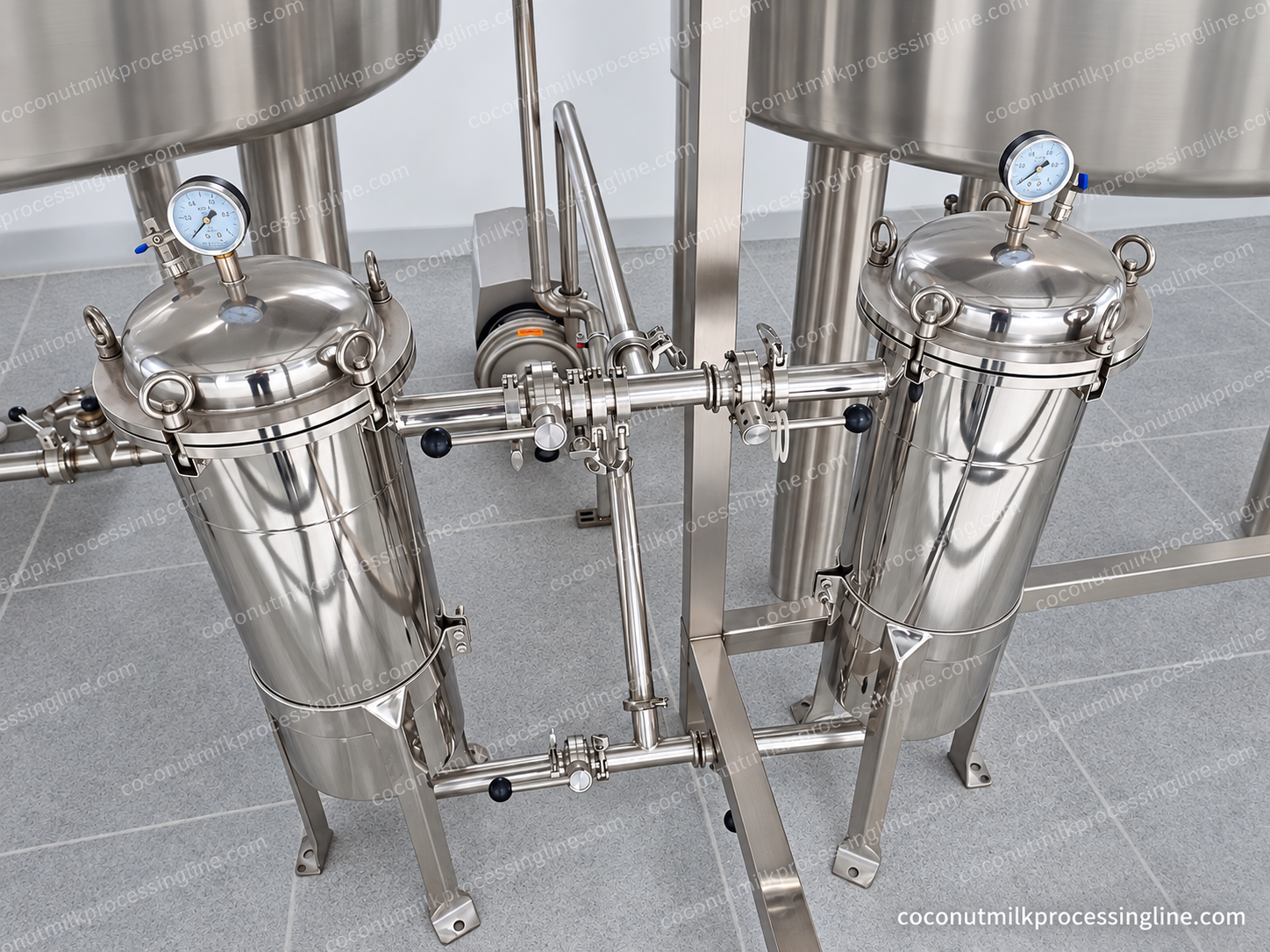
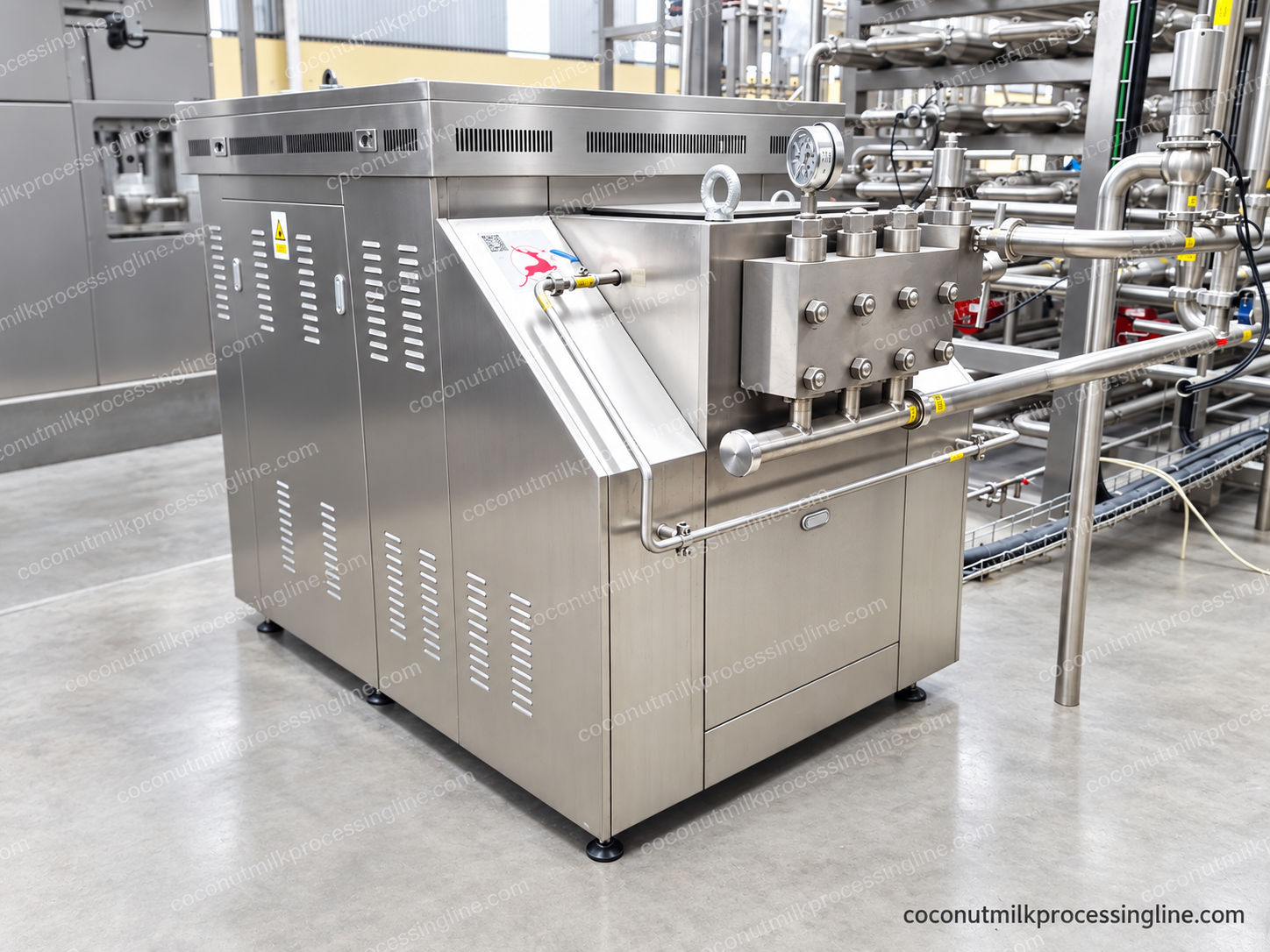
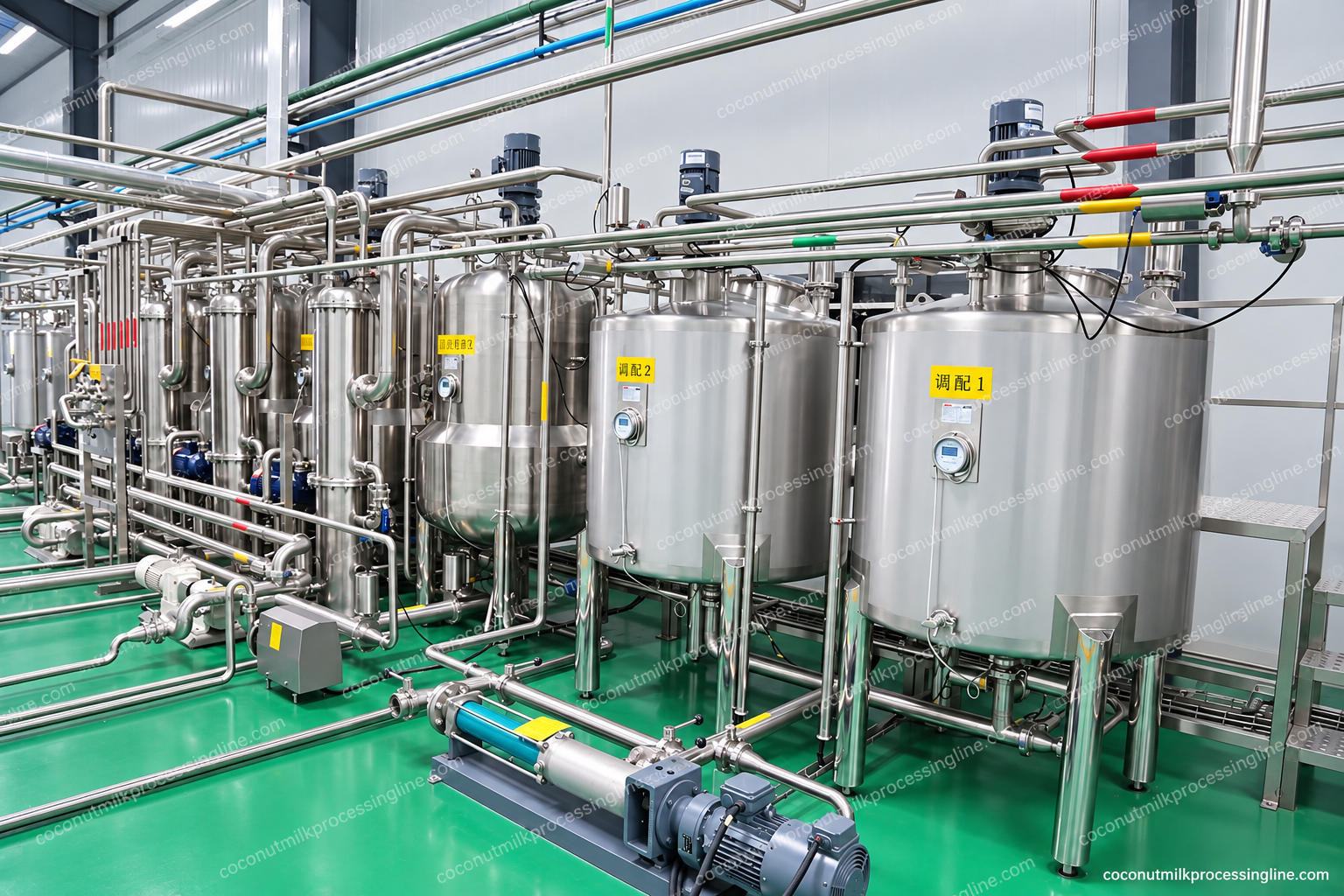
industrial coconut milk processing line, performance troubleshooting: coconut meat press connection view
Coconut Milk Line performance troubleshooting: Coconut meat press connection view
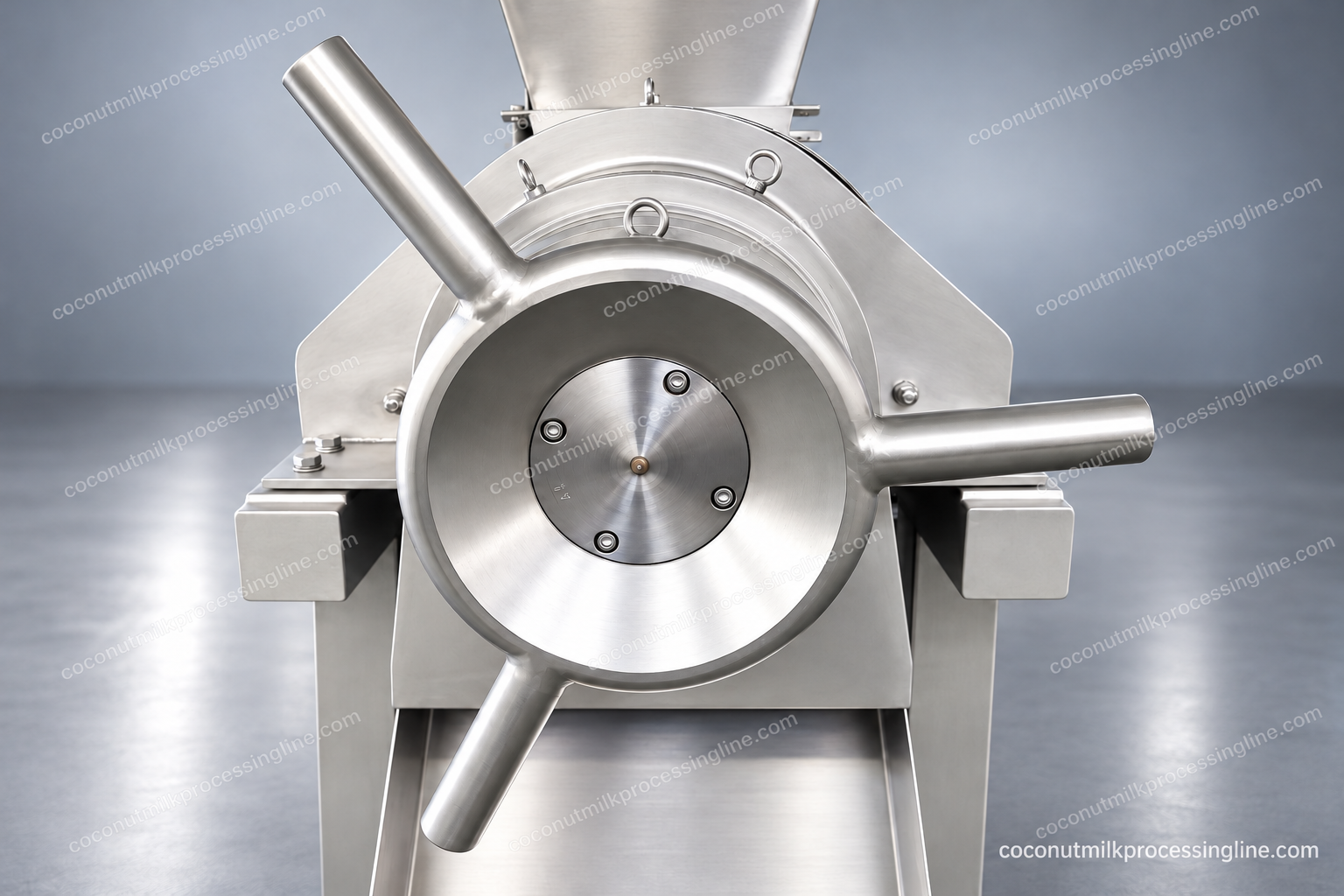
industrial coconut milk processing line, performance troubleshooting: pressing with fiber separation section operating stage
Coconut Milk Line performance troubleshooting: Pressing with fiber separation section operating stage

Trace the Likely Process Cause: Pressing With Fiber Separation Choices For Filtered Coconut Milk Emulsion

Coconut milk line operators seeing low usable filtered coconut milk emulsion recovery should inspect pressing with fiber separation discharge and fat film and fibrous meal first.

Resolve this question before changing the coconut meat press: How much milk and fat remain trapped in the discharged coconut meal?

  • Use pressing with fiber separation discharge and fat film and fibrous meal as the first coconut milk line diagnostic.
  • Confirm pressing with fiber separation discharge and fat film and fibrous meal before altering coconut milk line conditions.

Verify Conditions Before Adjusting the Setup: Coconut Milk Filling Interface Readiness

Coconut milk line operators seeing frequent industrial coconut milk processing line interruptions should inspect coconut meat press loading and coconut milk filling backpressure first.

Resolve this question before changing the pressing with fiber separation section: Is press loading rising from fiber buildup, or is the milk-filling connection restricting discharge?

  • Use coconut meat press loading and coconut milk filling backpressure as the first coconut milk line diagnostic.
  • Confirm coconut meat press loading and coconut milk filling backpressure before altering coconut milk line conditions.

People also ask

When unstable filtered coconut milk emulsion consistency, which condition should operators inspect first?

Use unstable emulsion behavior of fat-rich grated coconut meat and shell inspection washing and meat grinding feed condition as the first coconut milk line check.

When low usable filtered coconut milk emulsion recovery, which condition should operators inspect first?

Use pressing with fiber separation discharge and fat film and fibrous meal as the first coconut milk line check, then ask: How much milk and fat remain trapped in the discharged coconut meal?

When frequent industrial coconut milk processing line interruptions, which condition should operators inspect first?

Use coconut meat press loading and coconut milk filling backpressure as the first coconut milk line check, then ask: Is press loading rising from fiber buildup, or is the milk-filling connection restricting discharge?